Croatian varieties
Croatian varieties
Croatia occupies a special place in the wine world. From the Slavonian plains to the most remote Dalmatian islands, as many as 130 autochthonous grape varieties grow in Croatia.
For example, in 2016, Croatia won 63 Decanter World Wine Awards medals. In the same year, according to readers of the American newspaper USA TODAY and the website 10Best.com, Croatia was named one of the world's 10 best wine regions to visit.
Croatian wine attracted great world attention in 1996, when research revealed that the popular Californian red wine Zinfandel is genetically related to the Croatian grape varieties Crljenak Kastelanski and Tribidrag.
Black and white wines are mostly produced in Croatia. The majority of production is white wines (67%), while red wines account for 32% of total production. White wines with a light and sweet taste predominate in the continental vineyard area, while red wines dominate in the coastal vineyard area.
Posip
This straw-yellow white wine is made from the autochthonous variety of the same name, which is grown on the island of Korcula (Cara and Smokovica). Apart from Korcula, it is also produced in other parts of Central and South Dalmatia. Posip is the first Croatian white wine with a protected geographical origin. It is characterized by a high percentage of alcohol (13 to 14.5% alcohol) and an aroma of dried figs and apricots.
Vugava
This white wine is produced from the autochthonous vugava variety, which exclusively thrives on the most remote central Dalmatian Croatian island, Vis. Vugava is distinguished by its fresh, fruity aroma and creamy structure, it contains about 12.5% alcohol. The glory of Viska vugava extends to ancient times. Namely, some believe that the Greek historian Agatarchides was referring to this wine when he wrote that the wine of the island of Issa is the best compared to all others.
Babic
Babic red wine is produced from the autochthonous grape variety of the same name, named after the family that produces this wine. It has a dense structure and recognizable fruity aromas.
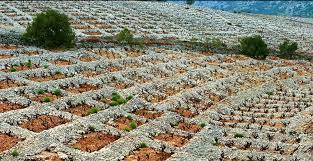
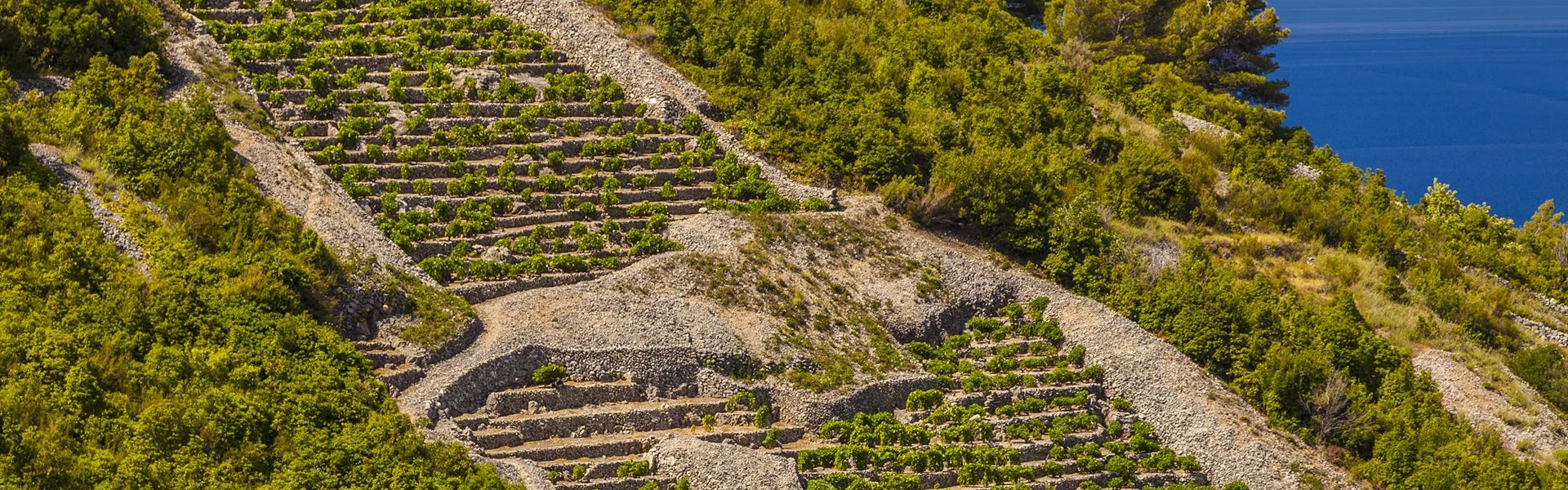
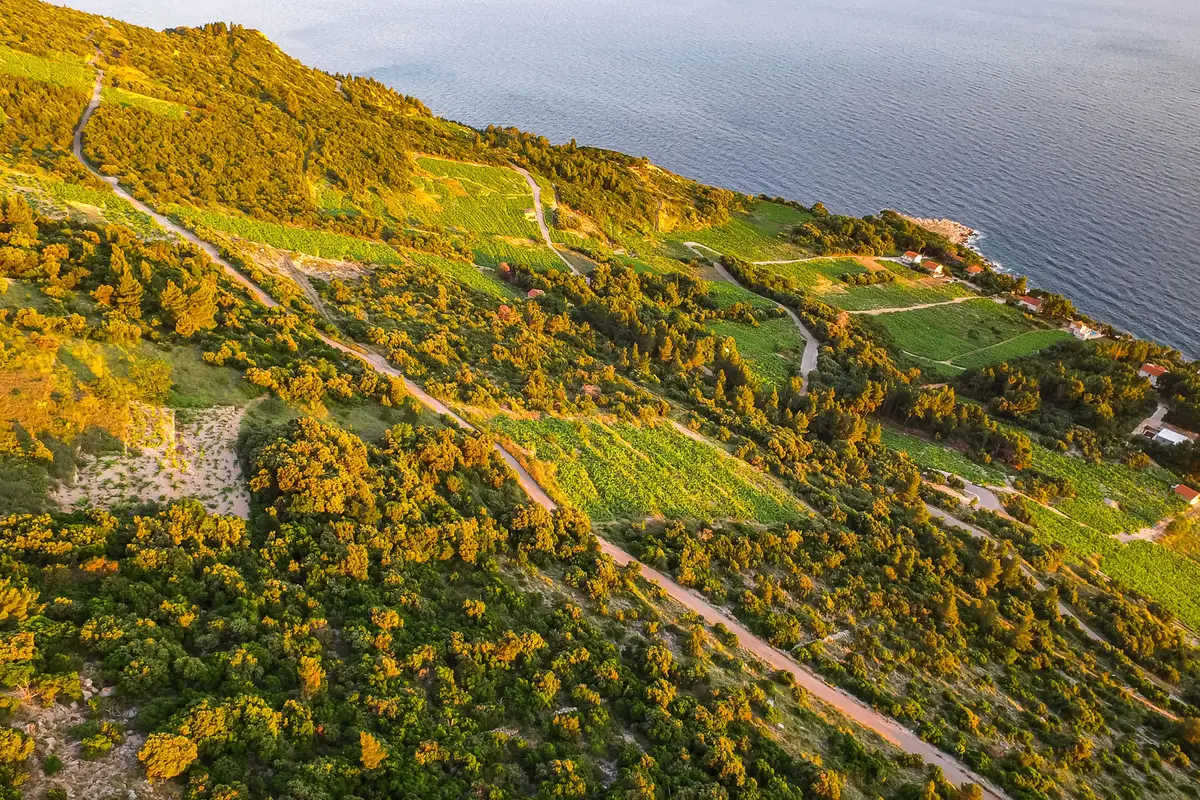
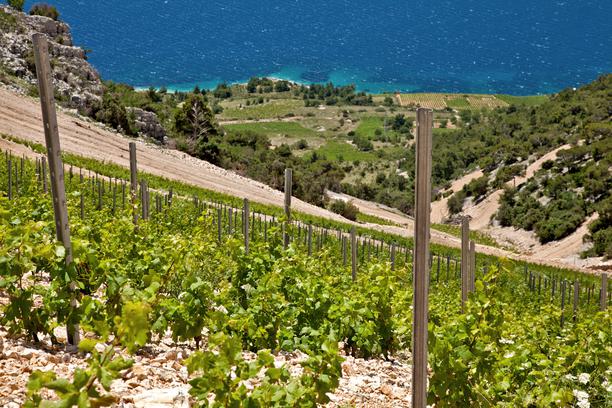
This variety, especially when producing premium wine, thrives best on poor, stony soil in the area above Primosten, the so-called Primosten terraces.
Grasevina
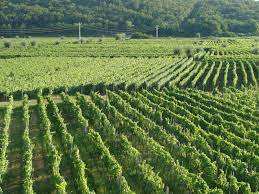
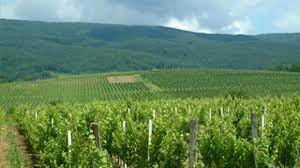
Grasevina is one of the most popular white wines in Croatia. It is produced from the grape variety of the same name, which is traditionally grown in the continental part of Croatia, mostly in Slavonia.
Grasevina is greenish-yellow in color, dry, with a fresh fruity and floral aroma. Although the Grasevina variety is not autochthonous in its origin, its taste and characteristics are so specific and different from other wines of the same variety abroad. This is precisely why Croatia is sometimes called the land of grasevina.
Dingac
Dingač is the most famous Croatian wine, also known as "the king of all Croatian wines". The top quality wine made from the black grape variety Plavac mali is named after the rugged part of the Peljesac peninsula - Dingac. Back in 1961 in Geneva, Dingac became the first Croatian wine whose production method and origin were protected. It is specific for its high alcohol content - the average is 15%. It is dark red to purple-red in color. Its taste is bitter and astringent, with a fruity aroma.
Vrbnicka Zlahtina
The island of Krk is also proud of one autochthonous wine. It is Vrbnicka Zlahtina, a quality dry white wine produced from the autochthonous variety, Zlahtina white. This rare variety is grown exclusively in Vrbnicko poljo in the Krk vineyard. Vrbnicka zlahtina is a light and refreshing wine with a floral and fruity aroma.
Lasina
Lasina wine is produced in Plastovo near Skradin from the Lasina variety. It is different from other Dalmatian red wines by its delicate taste.
This variety is often used to mix with other varieties and when preparing prosecco dessert wine (don't confuse it with the Italian prosecco wine!).
Grk
An autochthonous variety of white grapes from which a rare and valued Croatian wine is produced. This variety is popularly known by the names grk Korculanski, Korculanac, grk mali, grk veli, gark and Lumbarajski grk, and it thrives on sandy soil, specifically in Lumbarda on the island of Korčula. It is a dry wine with a rich and rounded taste that is marked by mild bitterness at the end. Grk does not contain large amounts of acids, and wine usually contains 12 to 14 percent alcohol. Grk is not easy to grow because it has exclusively female flowers that depend on neighboring varieties for pollination, so it is most often planted in a pair with plavac mali or rukatac variety. Since the pollination of this variety is demanding and not always successful, on the ripe bunches there are regularly, in addition to the large and fertilized grapes, smaller, unfertilized ones that give the wine its distinctive bitterness. The reason for this is the acids hidden in these undeveloped grape berries, which are much more abundant than in large grapes. The cultivation of this grape variety is recommended only in central and southern Dalmatia, and the fact that it does not grow anywhere else in the world makes it a particularly valuable variety. . Grk used to be grown not only on Korcula, but also on Vis and Brac, as well as in Konavle, and today, apart from Lumbarda, where it occupies only about fifty hectares, it can also be found on Peljesac and in traces in the hinterland of Zadar. Given that grk is a variety that is slowly disappearing, in the last few years special efforts have been made to preserve the variety that was once among the leaders in southern Dalmatia.
Malvasia
For decades it was considered part of the large family of Mediterranean malvasias (Malvasia, Malmsey) with which, admittedly, apart from the name, there was not much in common. Namely, most malvasias are grown for sweet wines, while Istrian malvasias are generally dry. The same sub-region, western Istria, is characterized by attractive floral aromas mixed with ripe fruit at slightly elevated positions. Malvasias from central Istria and those from even higher altitudes are characterized by the pronounced fruitiness of apples and nectarines, and more lively and refreshing acidity. Southern Istria, on the other hand, is characterized by a slightly sweeter fruitiness focused on more exotic fruits and an almost regular aroma of bananas. Such differences in styles are not only caused by the variety of positions, but also by the subtypes of Malvasia, the sorting and cataloging of which is currently underway.
Galerija slika