Komarna vineyard
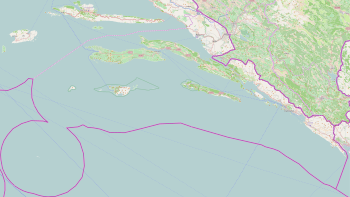
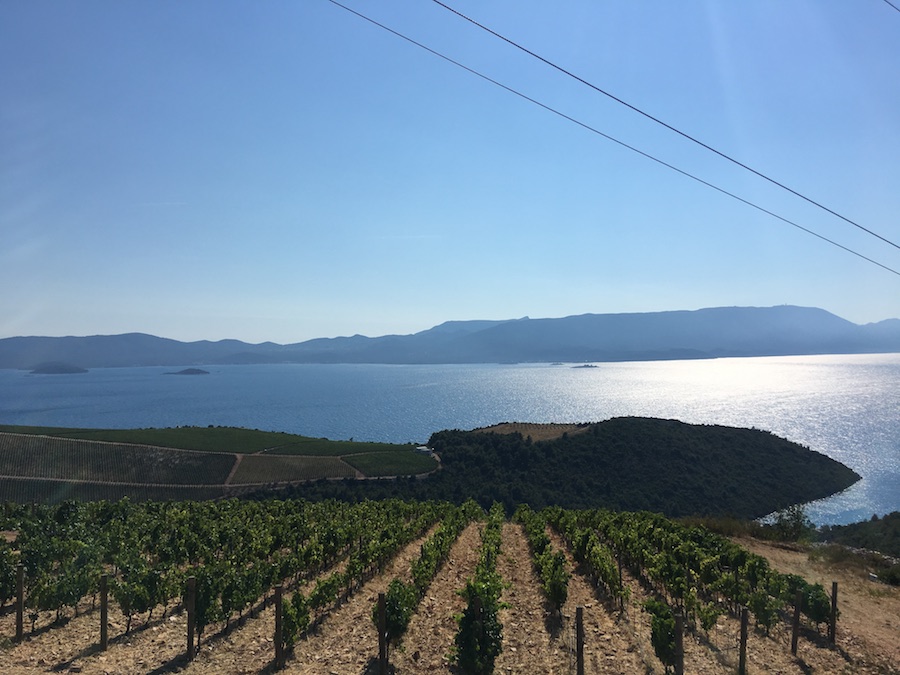
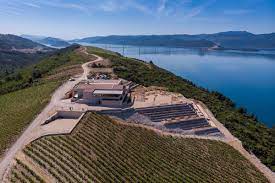
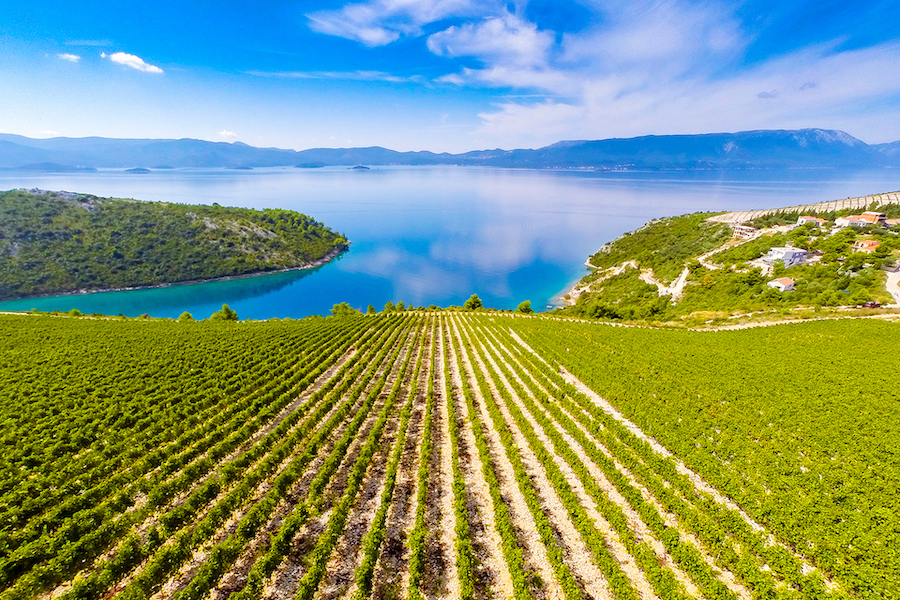
The Komarna vineyard was created by the first planting of vines in 2008 and officially bears its name since April 2013. It is located in the position of Southern Dalmatia in the Dubrovnik-Neretva County; on the road between Split and Dubrovnik 60 km before,; it is a relatively young vineyard that includes 82 hectares of vineyards planted by 7 wineries. It is a skeletal soil, made up mainly of limestone and very little soil, with a slope of up to 30%, with plantations ranging from 250 m above sea level all the way to the sea. The vineyards face the south and south-west sides, and due to their position and airiness, all producers have registered organic production. The assortment of vines planted in the vineyard consists of 92% autochthonous Dalmatian varieties (Plavac mali, Posip, Tribidrag, Marastina, Babic), while the rest is made up of international varieties (Syrah, Chardonnay, Tempranillo, Cabernet, Viogner).
There are two main distinguishing features of top-quality bluestones from Komarna. First, they boast a lot more freshness than most other blues. Secondly, the herbal element in their bouquet is significantly more pronounced than in Peljesac or Hvar wines. It's about those noble aromas of maquis and pine, about the Croatian garrigue that can be felt in Stagnum as well, but mostly in nuances, while it is often in the foreground in the Plavac wines from Komarna.
The Neretva coast has become a representative wine region named K7 after the seven winemakers who work there and who founded the youngest Croatian vineyard - Volarevic, Rizman, Terra Madre, Saint Hills, Blue Rose Cooperative, Neretva Defenders Cooperative and Opg Deak.
The success of Volarevic's Plavac mali Platinum from 2018 in the American magazine The Wine Enthusiast reminded again of the great adventure called the Komarna vineyard and some fantastic stories that arose from it.
Galerija slika